Understanding Heating Cost Savers
Understanding the factors influencing the cost of heating cost savers helps in making informed decisions about energy efficiency investments and budget planning.
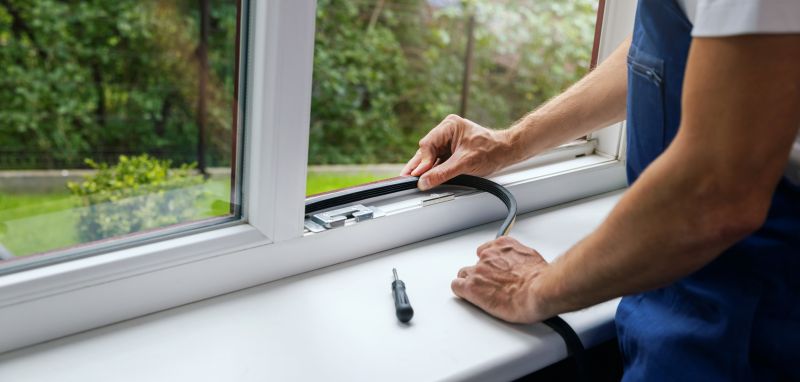
The effectiveness of insulation impacts heat retention and energy costs.
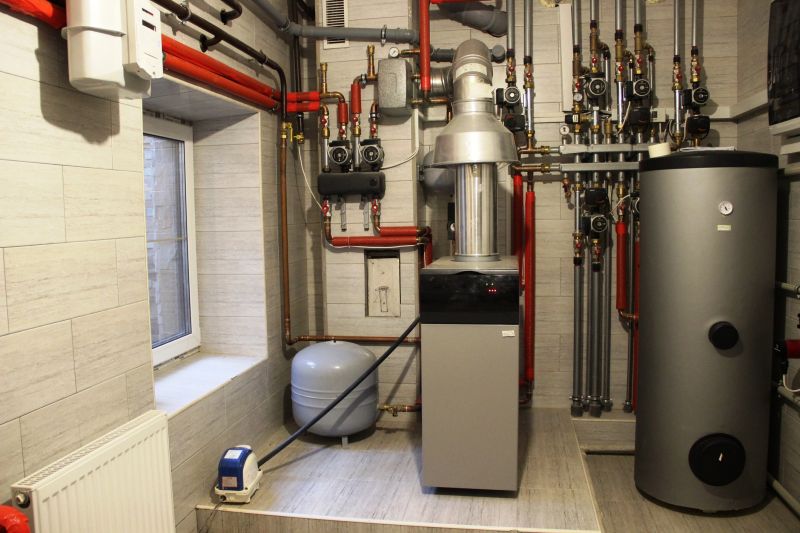
Modern, efficient systems reduce overall energy consumption.

Larger or complex layouts may require more extensive solutions, affecting costs.
| Factor | Impact on Cost |
|---|---|
| Insulation Quality | Higher quality insulation reduces heat loss, lowering costs. |
| Heating System Efficiency | More efficient systems decrease energy expenses. |
| Building Size | Larger buildings typically incur higher installation and operational costs. |
| Climate Conditions | Colder climates demand more robust solutions, increasing costs. |
| Energy Prices | Higher energy costs can elevate overall expenses for heating solutions. |
| Usage Patterns | Frequent or prolonged use raises operational costs. |
| Maintenance Frequency | Regular maintenance can optimize performance and control costs. |
| Installation Complexity | Complex structures or retrofit projects may incur additional expenses. |
The cost of heating cost savers varies significantly based on the type of solution selected and the specific building requirements. Basic models might offer lower upfront costs but may be less effective in energy savings. Conversely, advanced systems with superior insulation and automation features tend to have higher initial investments but can lead to substantial long-term savings. Proper assessment of the building's insulation, heating system efficiency, and usage patterns is essential to determine the most cost-effective options.
Factors such as local energy prices, climate severity, and installation complexity further influence the total expenditure. Investing in high-quality insulation and efficient heating systems can mitigate long-term operational costs, providing better energy performance and comfort. Regular maintenance and tailored solutions based on specific building characteristics ensure optimal performance and cost management.
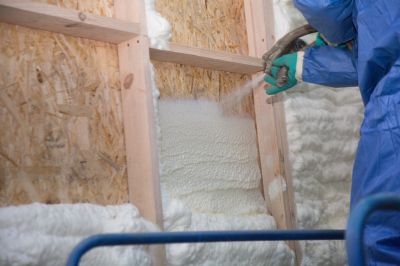
Different insulation materials vary in cost and effectiveness, impacting overall expenses.
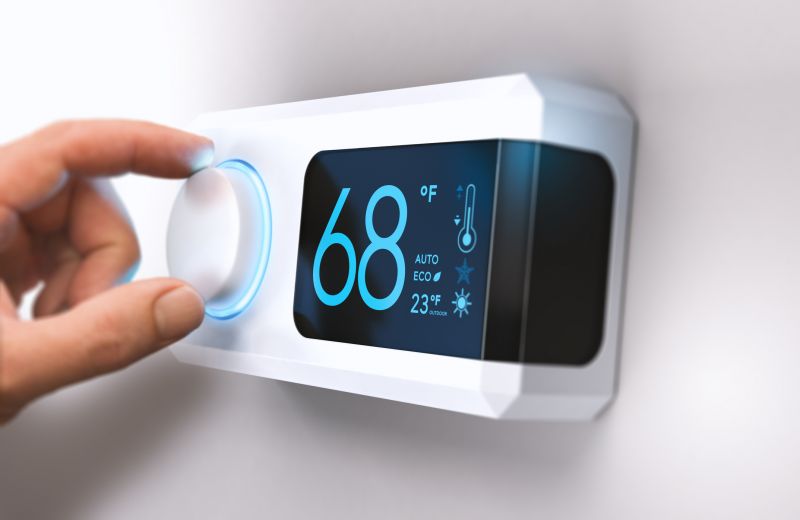
Advanced thermostats can optimize heating schedules, reducing energy use.
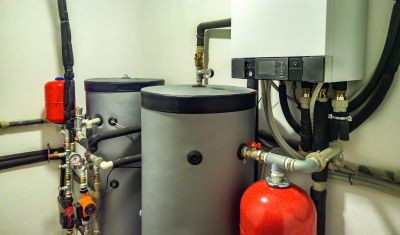
Insulating radiators and pipes minimizes heat loss and enhances efficiency.
| Service | Average Cost |
|---|---|
| Basic Insulation Upgrade | $1,500 - $3,000 |
| High-Efficiency Boiler Installation | $4,000 - $8,000 |
| Smart Thermostat Setup | $200 - $500 |
| Radiator Insulation | $300 - $700 |
| Duct Sealing and Insulation | $1,000 - $2,500 |
| Heating System Maintenance | $150 - $400 per visit |
| Retrofit Insulation Solutions | $3,000 - $7,000 |
| Zone Heating Systems | $5,000 - $12,000 |
| Thermal Window Films | $300 - $800 per window |
| Energy Audit and Assessment | $200 - $600 |